01
The place
A sea that does not fight you
The Gulf off Progreso is shallow, warm and flat for most of the year. There are no waves that knock anybody over. The bottom is firm sand and you can walk out a long way before you lose your footing. It is the kind of water a grandfather walks into with a grandchild without thinking twice.
The dry season runs November to May, and those are the months the coast looks the way it does in photographs. Between June and October it rains in the afternoon and the heat is humid. The Atlantic hurricane season runs from the first of June to the thirtieth of November, the same as everywhere else on the Gulf and in the Caribbean. Nobody here is going to hide that from you.
02
January
The day you land in twenty six degrees
People arriving from Canada or the northern United States usually come in January. They leave minus five and land in twenty six. The coat stays in the suitcase and never comes out again.
That contrast is the reason most of them never spend a whole winter at home again. The decision does not get made at the airport. It gets made in March, when it is time to go back and the body has already got used to the light.
03
Safety
The question everybody asks first
It is the first question and it deserves a straight answer rather than a detour. Year after year Yucatán is the quietest state in Mexico by homicide rate, and it is usually quietest by a wide margin over the rest of the country.
The US State Department places Yucatán at its lowest travel advisory level, the same level it gives much of Western Europe.
The everyday version is simpler than any table. People walk at night. Bicycles stay outside. Children go to the park on their own and come back when it gets dark.
That is what people notice in their first week, and it is the part that never shows up in a statistic. You stop thinking about it, and not having to think about it turns out to be the real luxury.
04
The culture
A language still spoken in the street
Yucatec Maya is not a museum piece. You hear it in the market, in the tortilla shop and at home, and a great many surnames and town names come from it. Learning four words changes how you are received completely.
The food is the easiest way in. Cochinita, sopa de lima, papadzules, relleno negro. These are feast day recipes served on an ordinary Tuesday, and they are almost always eaten slowly and in company.
Inland there are the old cities, the sixteenth century convents and the towns painted a single colour. You get there in a morning, you are back for dinner, and the sea is still where you left it.
Nobody here is in a hurry. Within a month it stops feeling strange.
The basics · Four facts that frame everything else
Progreso to Mérida
One straight highway, no toll. Thirty to forty minutes. You can have dinner in the city and still fall asleep to the sea.
The pier
One of the longest piers in the world. You can see it from the whole beach, and it is the first thing everybody learns to recognise.
Airport
Mérida (MID) takes direct flights from the United States and Canada. Family can get here without changing planes.
Travel advisory
The US State Department places Yucatán at its lowest advisory level, the same one it gives much of Western Europe.
05
A day
What an ordinary Tuesday feels like
At seven in the morning the beach is yours. Literally. You can walk for twenty minutes and pass two fishermen and a dog. The malecón starts filling towards midday, and at weekends people drive down from Mérida and the whole strip gets cheerful.
The big supermarket, the hospitals, the cinema and the airport are all in the city. You drive up, deal with everything in one morning, and come home the same day. That is the real routine for almost everyone who lives here, and it is the part nobody mentions when they talk about moving to the beach.
Midweek, Progreso is a small town, and that is the point. The woman at the tortilla shop will learn your name. In high season and on cruise days it changes for a few hours and then goes back to the same thing.
06
The winter
Nobody here is counting your days
A winter in Progreso has no clock on it. Nobody in town asks how long you are staying, nobody keeps a record of who is around and who is not, and the only calendar that matters is the weather.
You arrive when it starts getting cold up there and you go back when you feel like going back. The shop greets you the same way in November and in April. By your second winter you have a doctor, a tortilla shop and a fixed spot where you take your morning coffee, and nobody asked you to explain any of it.
The paperwork exists, of course, and it has to be done properly. We explain that part in full and in plain language on another page, because it is worth understanding before and not after. But that is paperwork. Daily life here does not ask anyone to account for themselves.
07
The truth
What usually happens
People do not decide this all at once. They come for two weeks, they go home, and through the following winter they think about the light here more than they expected to. By the second or third trip they stop asking what the coast is like and start asking how you buy.
The real obstacle is almost never the money. It is not understanding the process, so it gets put off for a year, and then another one. We explain that part in full and in plain language, because it is the part that actually stops people.
The three questions that follow
Keep reading
The port
The malecón, the pier, the cruise season, and what the town is like the rest of the year.
The city
Why half an hour inland is the difference between an adventure and a life. Hospitals, flights, old centre.
Buying as a foreigner
The bank trust explained plainly. What it is, why it exists, who arranges it.
From the coast journal
See all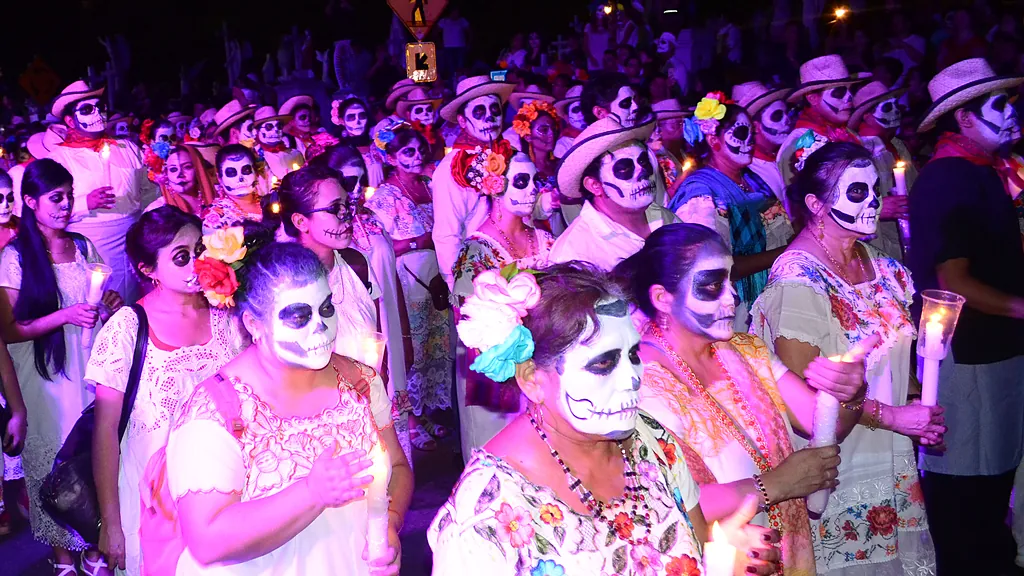
Mérida's Festival de las Ánimas 2026: dates and program
Mérida's Festival de las Ánimas runs 24 October to 2 November 2026. Dates for the Paseo de las Ánimas, the cemetery tours and the Catrina Parade.
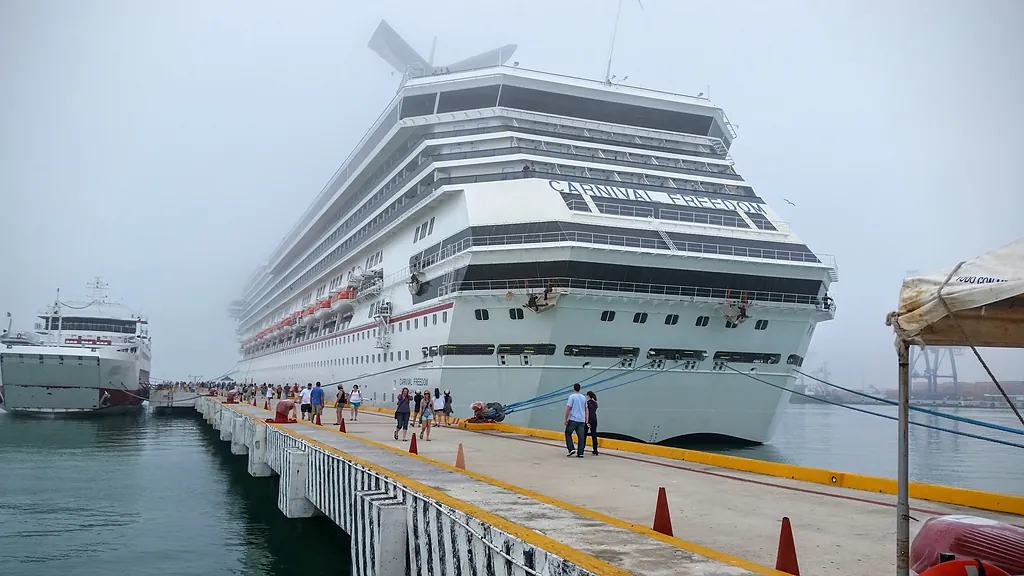
Cruise ships in Progreso: October arrival days
October brings 10 cruise calls to Progreso, all on Tuesdays or Thursdays. Dates, hours and tips for planning your day on the malecón, no surprises.

Octopus season in Progreso: how it is going at halfway
Progreso's octopus season is past halfway with smaller catches than last year. What is happening at sea, and what fishermen hope the nortes will bring.