Progreso ·
Flamingos near Progreso: when and where to see them
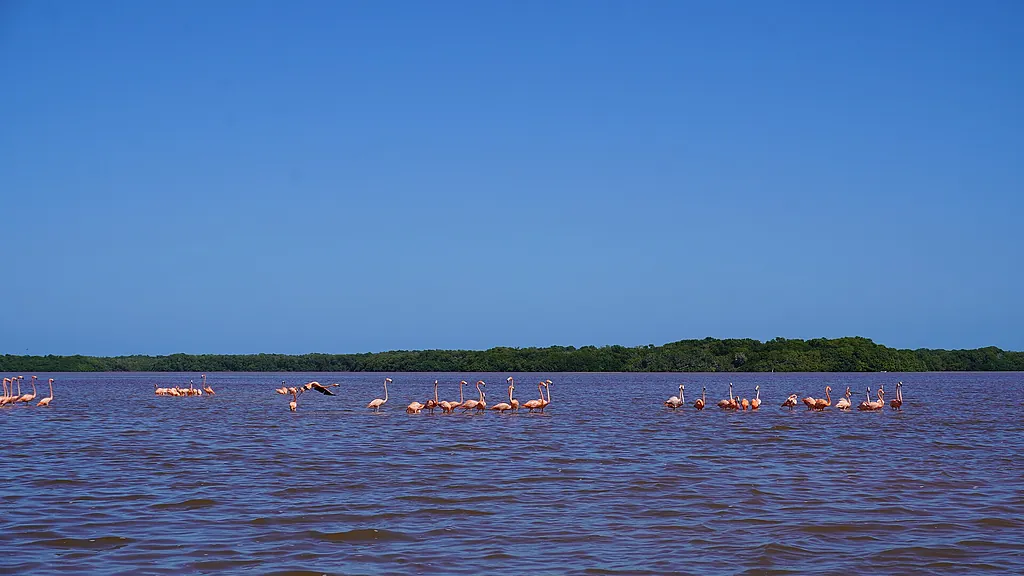
October is the last month before flamingos turn Yucatán's coast pink. Near Progreso they are usually seen from November to April, and the best places to watch them are Sisal and the Ría Celestún protected natural area.
What is happening
The Caribbean flamingo is the most photographed bird on the Yucatán coast, and its season shifts through the year. According to a Por Esto report from March 2026, much of the population gathers in the Ría Lagartos protected natural area in the east of the state, home to about 80 percent of the nesting pairs of this population. That is where they spend the breeding months.
On the western coast, the watching season runs from November to March. Celestún, about 90 kilometres from Sisal, is where the largest flocks rest and feed in those months, according to Por Esto's coverage of the birds that arrived in Sisal this year.
Near Progreso the pattern is similar. A Mexico News Daily report published in 2022 says flamingos are usually in the area from November to April, and that a few stay all year. That makes October a good month to plan: it is not yet the time of the most birds, but it is close.
In February 2026, Por Esto reported thousands of flamingos arriving at the port of Sisal, to the surprise of residents and visitors. Arrivals like that depend on the water and food of each season, so nobody can promise an exact date.
What it means if you live here
For people who live in Progreso or Mérida, flamingos are a half-day outing that needs little preparation. Sisal sits on the coast, a short distance from the port, and Celestún is the classic weekend trip. Both can be done by leaving early and getting back before dark.
It is also a good reason to watch the weather. From November on, the cold fronts begin to arrive. Yucatán's civil protection office expects around 29 frontal systems for the 2026 to 2027 season, according to Por Esto. Windy days are not good for boat trips, so check the forecast before you go.
The flamingo is protected in Mexico. The official standard NOM-059-SEMARNAT-2010 lists it among species at risk, and the federal penal code punishes harming protected animals, as Por Esto reported in April 2026. So what helps most is the simple thing: watch from a distance and do not approach.
How to go and how to watch well
If you go to Celestún, the usual way is to tour the estuary by boat with a local guide, inside the Ría Celestún protected natural area. The protected areas are managed by CONANP, which has coordinated the Caribbean Flamingo Conservation Program since 1999 together with communities and universities. Always ask about the schedule and the tour rules before you set out.
If you prefer something calmer, Sisal gives you the chance to watch them from the shore when they arrive in groups. There is no guarantee you will see them that day, and that is part of the outing: this is a wild animal, not an attraction with a timetable.
A few habits help the birds and help you too. Bring binoculars or a long lens so you do not need to get close. Avoid loud noise and do not fly drones near the flocks. Do not walk toward them or try to make them take off for a photo: every time they are startled they spend energy they need for feeding.
One last tip: bring water, a hat and sunscreen, even in November. The coastal sun is still strong, and the best light for photographing flamingos comes early in the morning, when the water is calmer.
Sources
- Por Esto: Miles de flamencos visten de rosa el litoral oriente de Yucatán, March 9, 2026
- Por Esto: Multas y cárcel por molestar flamencos en Yucatán, April 10, 2026
- Por Esto: Miles de flamencos llegan al puerto de Sisal, February 27, 2026
- Por Esto: Yucatán se prepara para 29 frentes fríos, September 1, 2026
- Mexico News Daily: In Progreso, Yucatán, flamingos have the right of way, July 16, 2022
More from the journal
See all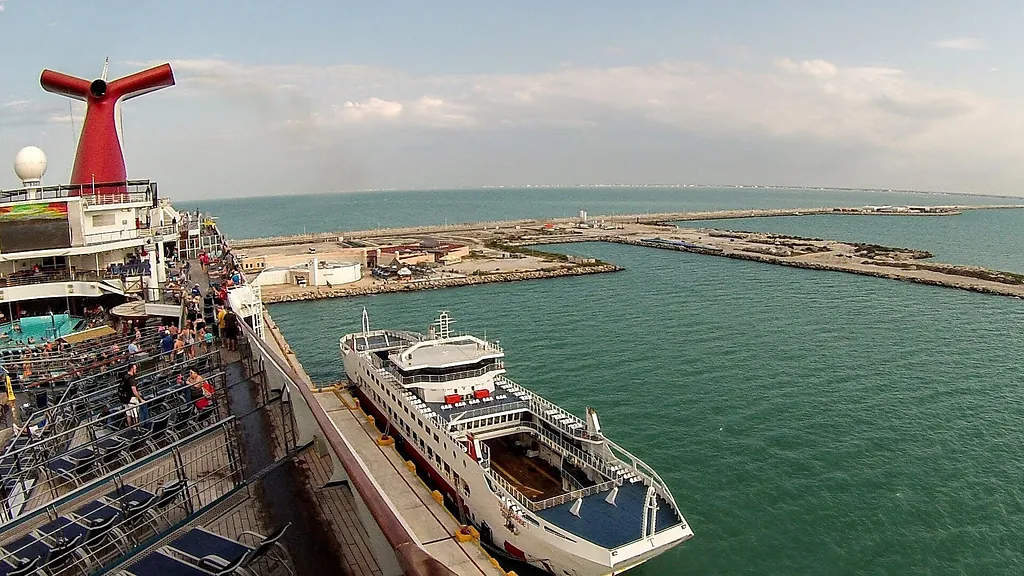
Cruise ships in Progreso: November arrival days
November brings 14 cruise calls to Progreso, from the 5th to the 28th. Dates, hours and tips for planning your day on the malecón, no surprises.
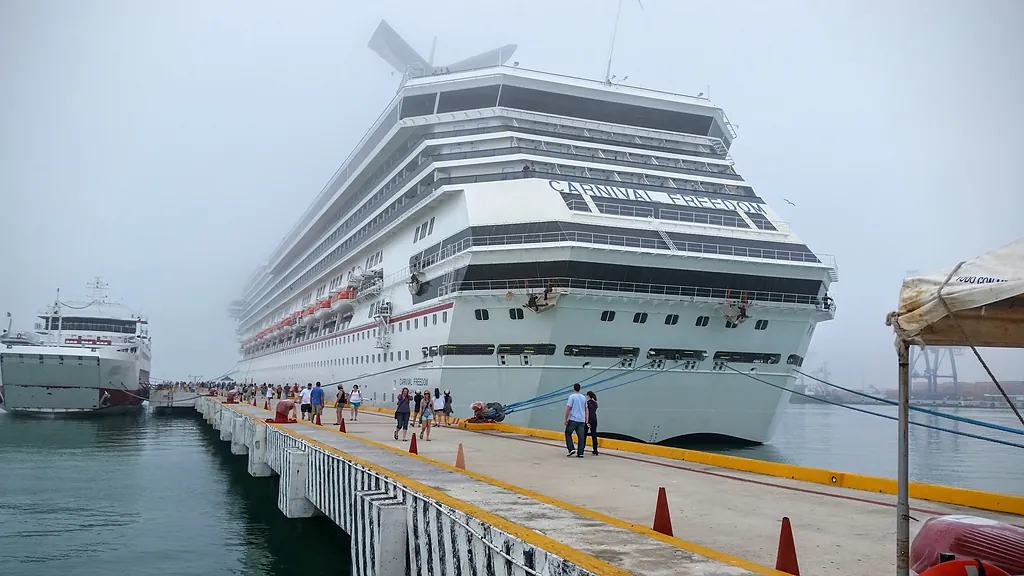
Cruise ships in Progreso: October arrival days
October brings 10 cruise calls to Progreso, all on Tuesdays or Thursdays. Dates, hours and tips for planning your day on the malecón, no surprises.